Unleash Your Brand's Potential: 3 AI Prompts for Effortless Identity Design
WEEK 5 :: POST 5 :: GOOGLE GEMINI PROMPT IDEAS

-
WEEK 5 :: POST 5 :: GOOGLE GEMINI - Each day, I dive into fresh, actionable prompts that entrepreneurs can use to optimize their workflows, discover new opportunities, and stay ahead of the competition. Find out more about our automated processes. Since Ketelsen.ai is updated on Mondays, we provide multiple blog posts each Monday. The best of these prompts will eventually be added to my website aicookbook.ai.
-
BASED ON THE 10 PART ULTRA PROMPT FROM AICOOKBOOK.AI - Learn More >>
PROMPT: Hi ChatGPT, we will work together to brainstorm some content for my website. To begin, I will provide a 8-part prompt that will describe the following: 1. Personal Introduction: Who I am. 2. Website Purpose: The website for which the content will be created and its intended purpose. 3. Target Audience: The specific audience for the content. 4. Content Goals: The objectives to achieve with the content. 5. Role of ChatGPT: The expected role that ChatGPT should assume in this process. 6. Content Source: The source from which the content will be derived. 7. Inspirations: Inspirations to guide ChatGPT in understanding the type of content to create. 8. Constraints: Any specific constraints or aspects to avoid in the content creation process. If you understand, please respond with ""READY"".
RESPONSE: READY
PROMPT: 1) Personal Background and Site Overview - Based in Minneapolis, MN, USA, I am a professional in Computer Science and Graphic Design. I work for a Fotune100 Company as a Senior Cybersecurity Incident Responder where I work with a team to keep people safe from cybersecurity attacks. My professional history includes 10 years as an Idenitity Designer and 10 years as an entrepreneur. I run an active websites which relates to this chat: effortlessly.net 2) Website Purpose - The article is a ‘recipe’ for A.I. Cookbook which is part of the website effortlessly.net. The A.I. Cookbook is an innovative platform dedicated to empowering entrepreneurs with the knowledge and skills to harness the power of A.I. and automation. 3) Target Audience - The website caters to driven, independent individuals who juggle multiple roles in running their businesses, aiming to maximize productivity and maintain quality. The main objective of the site is to help these entrepreneurs save time, reduce effort, and gain a competitive edge by leveraging A.I. and automation. Through A.I. Cookbook recipes, which are prompts and examples for using A.I. tools, the website helps entrepreneurs use A.I. more effectively. 4) Content Goals - To brainstorm creative ways that entrepreneurs can use ChatGPT to accomplish daily tasks. 5) Role of ChatGPT - ChatGPT’s role is “an expert ChatGPT prompt engineer” who is creative and can use ChatGPT in creative ways. 6) Content Source - Any webpage needed for reference. 7) Inspirations for Content - The content style should be fun, entertaining and informative. 8) Constraints - The ChatGPT recipe should be a real prompt that a real entrepreneur can use to achieve a real task. Before continuing the next set of instructions, please list any items that need clarification. If there are no questions, please respond with ""READY"".
RESPONSE: READY
PROMPT: Please provide 3 new creative prompt ideas which share a theme of some kind for prompts that are not on the previous prompts list - included in the attached file. The theme will be used for the introduction and title. These 3 prompts should include the prompt with an example response with brief explanations of the benefits and what common problem that it solves. The results should include 3 real prompts that a real entrepreneur can use to achieve a real task. For each prompt, please ask any clarifying questions needed to refine the prompt and make it better. Please use the theme to provide a brief introduction to the 3 prompts above for use in my blog post. This content is part a daily series where I ask ChatGPT to give 3 new prompts for my website. Please explain this while also giving a unique introduction of these 3 prompts that will encourage further reading. I will copy the introductory paragraph into the blog post and paste it above the content that you provided. Please also use the theme to suggest titles for the blog content.
RESPONSE: [The content is shown below]
-
We ask ChatGPT to suggest a Midjourney prompt for the main blog image. Learn More >>
PROMPT: Please suggest a MidJourney image prompt that focuses on an entrepreneur and could be used as a main image for all of these prompts mentioned above. [the midjourney prompt] [the explanation of why it is a good choice]
RESPONSE:
Prompt: a captivating scene of a entrepreneur confidently presenting their brand to the world, with a vibrant, AI-generated logo shining brightly beside them, symbolizing the power of individual creativity amplified by technology.
Explanation:
Focuses on the Individual Entrepreneur: The image centers on a single entrepreneur, emphasizing the empowerment and potential of individuals to create successful brands with the help of AI.
Highlights the Brand Identity: The prominent display of the AI-generated logo showcases the tangible outcome of the identity design process, inspiring viewers to imagine their own brand coming to life.
Conveys Confidence and Success: The entrepreneur's confident posture and the radiant logo project a sense of achievement and inspire viewers to believe in their own potential for success.
Appeals to the Target Audience: The image resonates with the aspirations of solopreneurs and small business owners,who often juggle multiple roles and strive for recognition and growth.
Versatile and Adaptable: The image can be easily customized with different styles, color palettes, and representations of the entrepreneur and their brand to match the specific tone of each prompt or blog post.
-
We ask ChatGPT to create an image for prompt 1. Learn More >>
PROMPT: Please create 1 sample image for prompt 1 and explain why it is a good choice. Please provide both the image and the explanation, for example: [image provided by you] [the explanation of why it is a good choice]
RESPONSE: Represents the Creative Potential of AI: The paintbrush dripping vibrant colors onto a blank canvas symbolizes the limitless possibilities of AI-powered identity design.
Visually Appealing: The image is visually striking and captures the attention of the viewer.
Metaphorical: The paintbrush represents the creative tool that AI provides, while the blank canvas represents the potential for new and unique brand identities.
Adaptable: The image can be easily adapted to different color palettes and styles to match the specific tone of each prompt or blog post.
-
We ask ChatGPT to create an image for prompt 2. Learn More >>
PROMPT: Please create 1 sample image for prompt 2 and explain why it is a good choice. Please provide both the image and the explanation, for example: [image provided by you] [the explanation of why it is a good choice]
RESPONSE: The image of a world map with interconnected lines and glowing nodes representing diverse cultures and their symbolic elements is a fitting visual representation for Prompt 2. It embodies the core idea of seeking inspiration from diverse cultures to infuse a brand identity with unique and meaningful elements. Here's a breakdown of its symbolism:
Global interconnectedness: The interconnected lines on the map symbolize the interconnectedness of cultures and the flow of ideas and inspiration across borders. It reflects the brand's commitment to embracing diversity and drawing from a global well of creativity.
Cultural richness: The glowing nodes represent various cultures and their unique visual elements. The vibrant colors and varying sizes of the nodes suggest the richness and diversity of cultural expressions around the world.
Symbolic depth: The image implies that each culture holds a wealth of symbols, motifs, and visual traditions that can add depth and meaning to a brand's identity. It encourages exploration and appreciation for the stories and values embedded in different cultural expressions.
Creative adaptation: The image suggests that these cultural elements can be creatively adapted and integrated into a brand's visual language, creating a unique and authentic identity that resonates with a global audience.
-
We ask ChatGPT to create an image for prompt 3. Learn More >>
PROMPT: Please create 1 sample image for prompt 3 and explain why it is a good choice. Please provide both the image and the explanation, for example: [image provided by you] [the explanation of why it is a good choice]
RESPONSE: This collage of images captures the essence of Adventure Gear Co.'s target audience – active and adventurous young adults. It evokes the emotions and aspirations associated with outdoor activities, appealing to their desire for:
Adventure and Excitement: The image showcases a variety of outdoor activities like hiking, camping, rock climbing, and kayaking, highlighting the thrill and challenge that these activities offer.
Freedom and Escape: The images of vast landscapes and natural settings convey a sense of freedom and escape from the hustle and bustle of everyday life, reflecting the target audience's desire to connect with nature and experience a sense of liberation.
Community and Connection: Images of friends enjoying outdoor activities together emphasize the social aspect of these experiences, fostering a sense of belonging and camaraderie.
Personal Growth and Challenge: Images of individuals pushing their limits and overcoming obstacles represent the personal growth and sense of accomplishment that outdoor activities can provide.
Crafting a compelling brand identity often takes a backseat to more pressing concerns. But what if you could harness the power of AI to streamline the process and unlock your brand's full potential? Today's prompts will introduce you to your new AI-powered identity design assistant, ready to guide you through the creative journey of building a brand that truly resonates with your audience.

Image Made with Google Gemini
Prompt 1: The Brand Personality Alchemist
Prompt:
Act as a brand personality alchemist. My business, [Business Name], is a [Type of Business] that offers [Key Value Proposition]. My target audience is [Demographics and Psychographics of Target Audience]. Transmute the essence of my brand into 3 distinct personality archetypes that resonate with my target audience. For each archetype, provide:
Archetype Name: A descriptive name that captures the essence of the personality
Key Traits: 3-5 adjectives describing the personality
Visual Style: Suggestions for colors, fonts, and imagery that would visually represent this personality
Communication Style: Tone of voice and language that would be appropriate for this personality
Example Brand Slogan: A slogan that embodies the personality and appeals to the target audience
Example Response:
Business Name: EcoChic, a sustainable fashion brand offering stylish and eco-friendly clothing for conscious consumers. Target audience: Millennials and Gen Z who value sustainability, ethical practices, and individuality.
Archetype 1: The Eco-Warrior
Key Traits: Passionate, outspoken, and driven
Visual Style: Bold colors, impactful typography, and imagery showcasing environmental activism
Communication Style: Direct, persuasive, and empowering
Example Brand Slogan: "Fashion that fights for the future."
Archetype 2: The Mindful Minimalist
Key Traits: Thoughtful, understated, and serene
Visual Style: Muted earth tones, clean lines, and imagery evoking tranquility and simplicity
Communication Style: Calm, gentle, and introspective
Example Brand Slogan: "Style that whispers, not shouts."
Archetype 3: The Playful Upcycler
Key Traits: Creative, quirky, and optimistic
Visual Style: Vibrant colors, playful fonts, and imagery showcasing upcycled and repurposed materials
Communication Style: Lighthearted, witty, and engaging
Example Brand Slogan: "Fashion that's fun and sustainable."
Benefits:
Uncovers Brand Versatility: Explores different facets of your brand's personality, appealing to various segments within your target audience
Enhances Brand Consistency: Provides a framework for maintaining a cohesive brand identity across different marketing channels
Sparks Creative Exploration: Inspires unique and memorable brand expressions that resonate with your audience
Common Problem Solved:
Difficulty defining and articulating your brand's personality in a way that connects with your target audience.
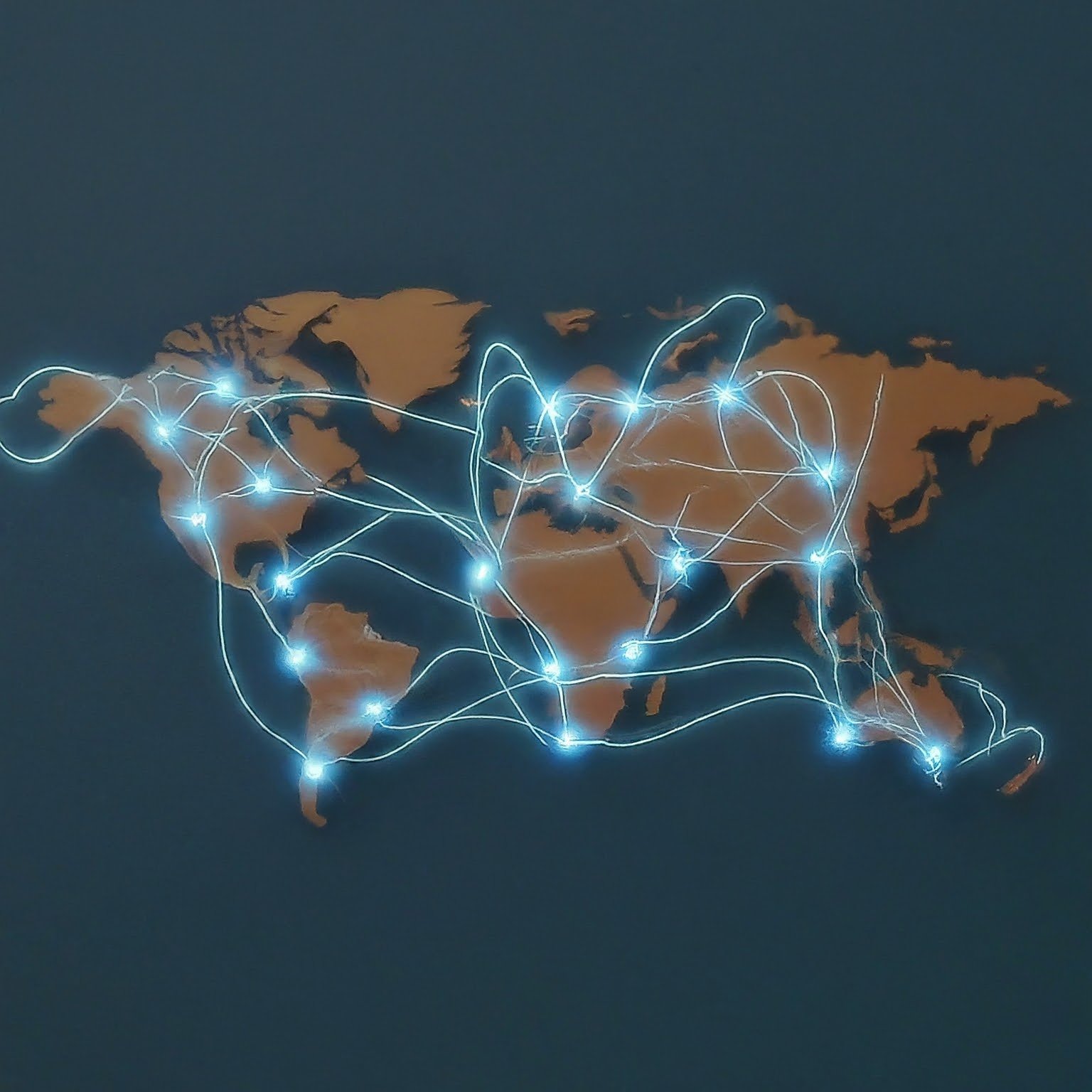
Image Made with Google Gemini
Prompt 2: The Cross-Cultural Inspiration Oracle
Prompt:
Act as a cross-cultural inspiration oracle. My business, [Business Name], is a [Type of Business] that offers [Key Value Proposition]. I'm seeking inspiration from diverse cultures to infuse my brand identity with unique and meaningful elements. Suggest 3 specific cultural references (e.g., art styles, symbols, motifs, color palettes) that could be incorporated into my brand's visual language. For each reference, provide:
Cultural Origin: Briefly describe the culture and its significance
Visual Element: Identify a specific visual element from that culture
Symbolic Meaning: Explain the meaning and symbolism behind the visual element
Brand Integration: Suggest how this element could be creatively adapted and integrated into my brand's visual identity
Example Response:
Business Name: Wanderlust Travel, a travel agency specializing in immersive cultural experiences. Key Value Proposition: Connecting travelers with authentic local cultures around the world.
Cultural Reference 1: Japanese Wabi-Sabi
Visual Element: The Enso Circle
Symbolic Meaning: Represents the beauty of imperfection, impermanence, and the acceptance of the natural cycle of growth and decay
Brand Integration: Incorporate the Enso Circle into the logo or use it as a recurring motif in marketing materials to convey a sense of mindfulness and appreciation for the journey, not just the destination
Cultural Reference 2: Mexican Otomi Embroidery
Visual Element: Vibrant floral and animal motifs
Symbolic Meaning: Represents connection to nature, celebration of life, and storytelling through visual art
Brand Integration: Use Otomi-inspired patterns and colors in website design, social media graphics, or merchandise to evoke a sense of joy, vibrancy, and cultural richness
Cultural Reference 3: West African Adinkra Symbols
Visual Element: The Sankofa Symbol (a bird with its head turned backward)
Symbolic Meaning: Represents the importance of learning from the past to build a better future
Brand Integration: Incorporate the Sankofa symbol into the brand's visual identity to convey a commitment to responsible tourism and preserving cultural heritage
Benefits:
Creates a Unique Brand Identity: Infuses your brand with distinctive visual elements that stand out in a crowded market
Fosters Cultural Appreciation: Demonstrates respect for diverse cultures and promotes cross-cultural understanding
Adds Depth and Meaning: Enhances your brand's storytelling potential and creates a deeper connection with your audience
Common Problem Solved:
Lack of originality and cultural sensitivity in brand identity design

Image Made with Google Gemini
Prompt 3: The Target Audience Mood Board Maestro
Prompt:
Act as a target audience mood board maestro. My business, [Business Name], is a [Type of Business] targeting [Demographics and Psychographics of Target Audience]. Compose a visual symphony that captures their aspirations, lifestyle, and aesthetic preferences. Curate a mood board with 5-7 images that evoke the desired emotions and resonate with their visual sensibilities. For each image, provide a brief explanation of its emotional impact and connection to the target audience.
Example Response:
Business Name: Adventure Gear Co., an outdoor apparel and equipment brand. Target audience: Active and adventurous young adults who enjoy hiking, camping, and exploring the great outdoors.
Mood Board:
Image: A hiker silhouetted against a breathtaking mountain vista at sunrise.
Emotional Impact: Inspires awe and a sense of possibility, reflecting the target audience's desire for challenge and adventure.
Image: A group of friends laughing around a campfire under a starry night sky.
Emotional Impact: Evokes feelings of camaraderie and connection, highlighting the social aspect of outdoor activities for the target audience.
Image: Close-up of a hiker's worn boots traversing a rugged trail.
Emotional Impact: Conveys a sense of resilience and determination, reflecting the target audience's perseverance and grit.
Image: A vibrant tent pitched in a wildflower meadow.
Emotional Impact: Inspires a sense of freedom and escape, appealing to the target audience's desire for immersion in nature.
Image: A vintage compass lying on a weathered map.
Emotional Impact: Evokes a sense of exploration and discovery, reflecting the target audience's curiosity and thirst for new experiences.
Benefits:
Visualizes Target Audience: Creates a tangible representation of your ideal customer's visual world
Guides Design Decisions: Provides a reference point for maintaining consistency and alignment with your target audience's preferences
Enhances Communication: Helps you articulate your brand's visual direction to designers, marketers, and other stakeholders
Common Problem Solved:
Difficulty understanding and visualizing your target audience's aesthetic preferences.

TAGS: